
Introduction to Smoke Control in Commercial Buildings: Your Guide to Enhanced Safety
Smoke control in commercial buildings is not just a matter of compliance with local laws and standards, but a significant investment in the safety and well-being of the occupants. It’s an essential aspect that often goes unnoticed until a fire breaks out, demonstrating the importance of a reliable smoke control system.
Importance of Smoke Control
Smoke control systems are engineered to manage and mitigate the spread of smoke in the event of a fire. This is crucial as smoke inhalation is the primary cause of death in fires. By controlling smoke, these systems provide a safer evacuation route for occupants and allow firefighters to access the building more efficiently.
The Connection Between Smoke Control and Safety
The implementation of smoke control systems directly correlates to enhanced safety in commercial buildings. A well-functioning system can significantly reduce the risks associated with fires, providing a safer environment for both occupants and emergency responders.
Smoke Control Systems: The Heart of Safety in Commercial Buildings
Smoke control systems are an integral part of a building’s safety measures. They comprise various components and technologies designed to detect, manage, and mitigate smoke in a commercial setting.
Types of Smoke Control Systems
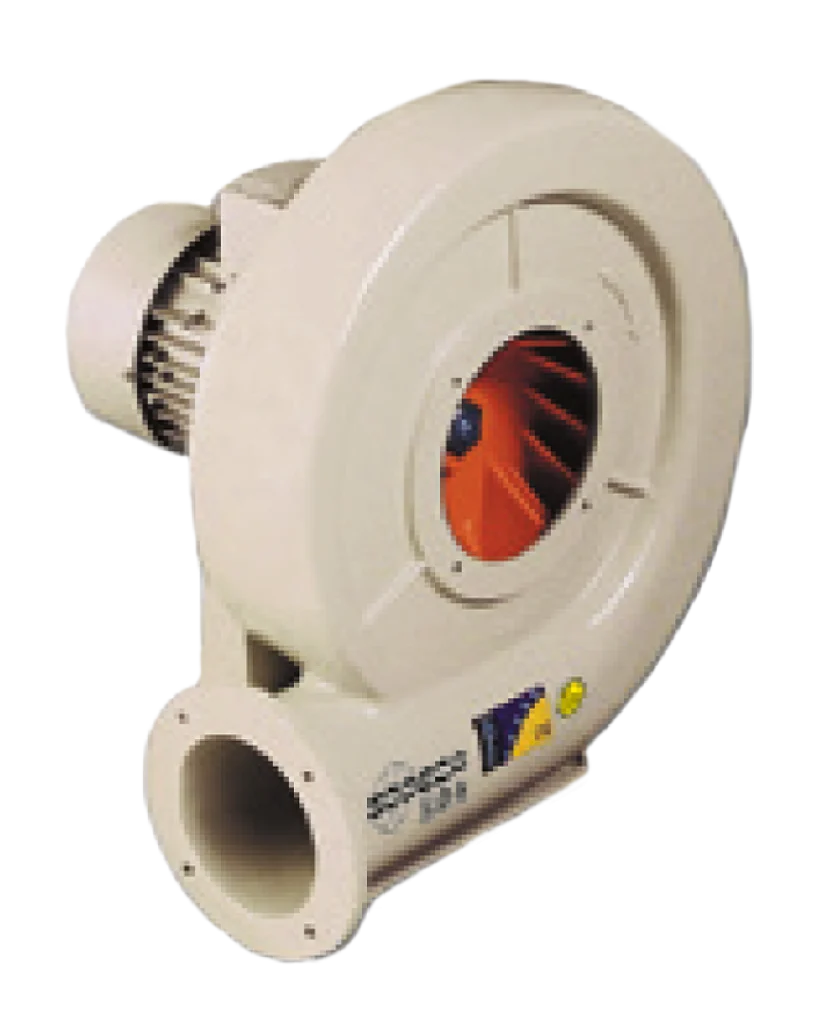
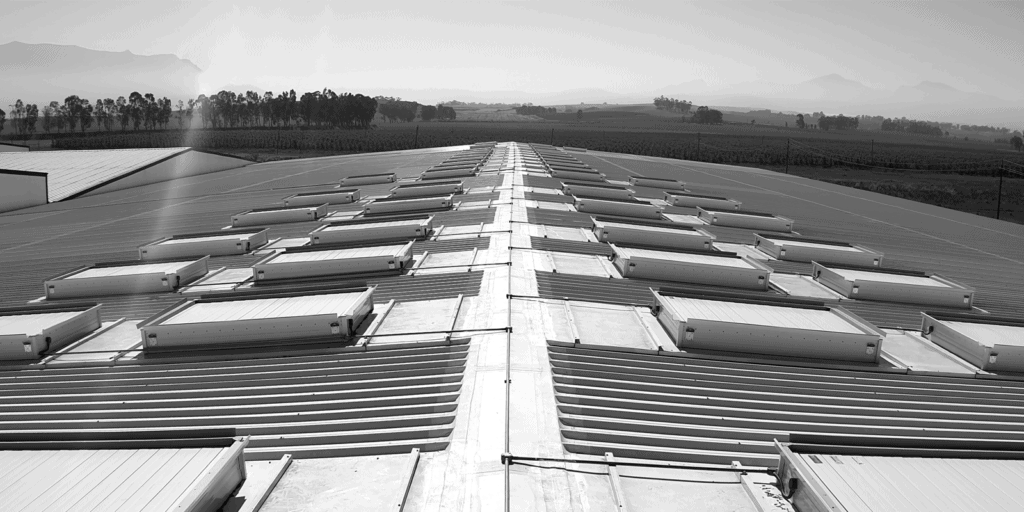
There are several types of smoke control systems available, each catering to different building structures and requirements. Some of these include smoke vents, smoke curtains, and mechanical smoke control systems.
How Smoke Control Systems Work
Smoke control systems operate by either containing the smoke to a specific area or venting it outside the building. They are often integrated with the building’s fire alarm and HVAC systems to provide a comprehensive approach to fire safety.
Advantages of Having a Smoke Control System
Investing in a smoke control system comes with numerous benefits, including enhanced safety, compliance with legal requirements, and potentially lower insurance premiums.
Smoke Control in Commercial Buildings: Your Guide to Enhanced Safety
The path to enhanced safety in commercial buildings starts with a well-planned and effectively executed smoke control system. This journey involves precise planning, selecting the appropriate technology, and ensuring a flawless installation, followed by regular maintenance and inspections. This section will guide you through these crucial steps, ensuring your building is well-equipped to handle fire emergencies.
Planning and Designing a Smoke Control System
The planning and designing phase is the bedrock of a successful smoke control system. This stage involves:
- Risk Assessment: Identifying potential fire hazards and understanding the building’s architecture to design a system that effectively mitigates smoke spread.
- Technology Selection: Choosing the right technology that suits the building’s needs while adhering to local regulations and standards.
- System Design: Creating a blueprint of the system, outlining the placement of smoke detectors, control panels, and ventilation systems.
Installation of Smoke Control Systems
The installation phase needs to be executed meticulously to ensure the system operates as intended. Key steps include:
- Professional Installation: Engaging experienced professionals who are well-versed with the local codes and standards.
- System Integration: Ensuring the smoke control system is seamlessly integrated with the building’s fire alarm and HVAC systems.
- Testing: Conducting thorough testing to ensure the system operates effectively during a fire emergency.
Maintenance and Inspection of Smoke Control Systems
Regular maintenance and inspections are crucial for the long-term effectiveness of the smoke control system. This involves:
- Routine Inspections: Conducting regular checks to ensure all components are functioning correctly.
- Maintenance: Promptly addressing any issues and ensuring the system is updated to comply with any new regulations.
- Documentation: Keeping a record of all inspections, maintenance, and any system upgrades.
Legislation and Standards for Smoke Control in Commercial Buildings
Adherence to local and international legislation and standards is crucial for the legality and effectiveness of the smoke control system.
International Codes and Standards
Several international bodies provide guidelines and standards for smoke control systems, such as the National Fire Protection Association (NFPA) and the International Code Council (ICC).
Local Regulations and Compliance
Local regulations may vary, and it’s crucial to comply with these to ensure the legality and effectiveness of your smoke control system. Engaging local experts can provide valuable insights into the necessary compliance requirements.
Cost Analysis: Investment in Smoke Control Systems
Initial Investment
The initial investment includes the cost of the system design, equipment, and installation. This investment is crucial for ensuring the safety and well-being of the building occupants.
Long-term Savings and ROI
A well-functioning smoke control system can result in long-term savings by reducing fire-related damages, potentially lowering insurance premiums, and ensuring business continuity post a fire incident.
Case Studies: Smoke Control Systems in Action
Example 1: Overcoming Challenges in a High-rise Building
In high-rise buildings, smoke control systems are crucial for ensuring a safe evacuation route. A case study reveals how a well-designed system successfully contained smoke during a fire, allowing occupants to evacuate safely.
Example 2: Implementing Smoke Control in a Historical Building
Historical buildings may present unique challenges due to their architecture. A case study showcases the implementation of a smoke control system that adhered to preservation guidelines while enhancing safety.
Innovations in Smoke Control Technology
Smart Systems and IoT
Smart systems and IoT have revolutionized smoke control by enabling real-time monitoring, automatic alerts, and seamless integration with other building systems.
Future Trends in Smoke Control
Future trends include the adoption of AI and machine learning to predict and respond to fire emergencies effectively, further enhancing the capabilities of smoke control systems.
Best Practices for Implementing Smoke Control in Commercial Buildings
Selection of Right Technology
Selecting the appropriate technology that caters to the building’s unique needs is crucial for the effectiveness of the smoke control system.
Working with Experts
Engaging experts ensures the system is designed and installed correctly, and complies with all local regulations and standards.
Educating Building Occupants
Educating building occupants on the function of the smoke control system and what to do in case of a fire is crucial for ensuring safety during a fire emergency.
Conclusion: The Imperative of Smoke Control in Commercial Buildings
Recap
Smoke control in commercial buildings is a crucial aspect of ensuring the safety and well-being of occupants. From the planning and design to the regular maintenance and inspection, each step in the implementation of a smoke control system is critical.
Where to From Here?
Investing in a well-designed, professionally installed, and regularly maintained smoke control system is not just a legal obligation, but a moral one. Take action today to ensure your commercial building is well-equipped to handle fire emergencies, safeguarding lives and assets.
Frequently Asked Questions
What are the advancements in smoke control technology?
Advancements in smoke control technology include the integration of smart systems and IoT, which allow for real-time monitoring and automatic alerts. Additionally, the adoption of AI and machine learning is on the horizon, aiming to further enhance the effectiveness of smoke control systems by predicting and responding to fire emergencies more efficiently.